In the remote, tribal areas of Pakistan bordering Afghanistan, and in the wilder regions of Yemen, where in both cases senior al-Qaeda leaders were hiding out, successive drone strikes had “a chilling effect” on the group’s operations, according to intelligence officers. They forced commanders to stay constantly on the move, never staying more than a night or two in one place, restricting their ability to communicate and never quite knowing whether the departure of a visitor would be followed by a Hellfire missile, fired by an unseen enemy.

Next Post
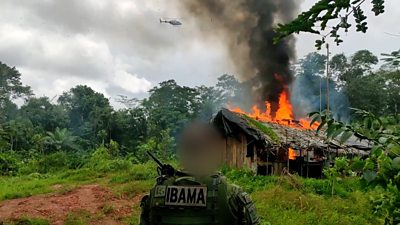
Brazil: Environment police battle for Amazon rainforest
Sat Apr 24 , 2021
Brazil’s environmental police force, IBAMA, is facing new challenges due to government policy changes, an anonymous senior officer has told the BBC. Cuts to government funding and equipment from abroad, as well as the coronavirus pandemic and rioting have left the authority with little resources to protect the Amazon from […]